


Introduction
Every product that we currently use has a story behind it, which describe how a product is developed (the creation of the product) and how that product developed a reputation (the product became popular). What makes these products and brands stand out from the crowd? How is it that some last for decades while others disappear in only a few months? Ever notice how products behave almost like humans? They’re born, they grow, they peak, and yes == eventually, most of them decline faster than your New Year’s resolutions.
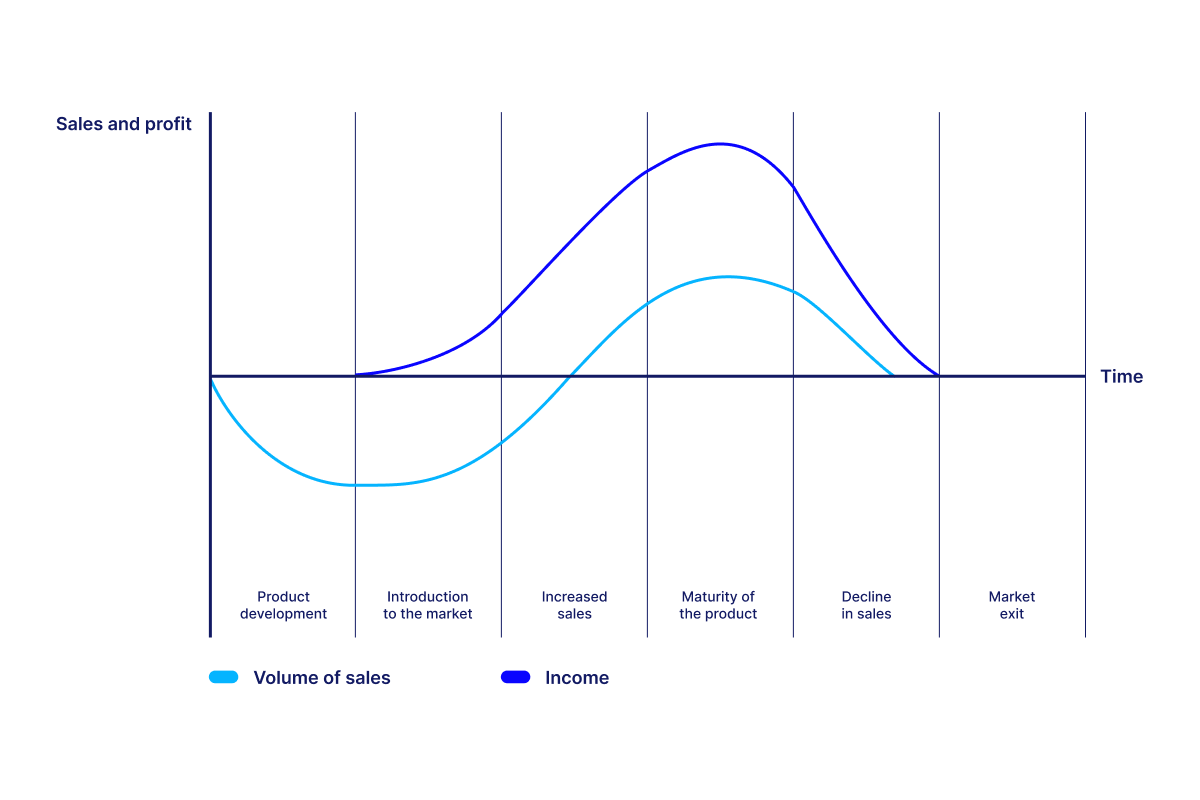
This journey of a product from the day it’s just an idea to the day it becomes old news — is called the Product Life Cycle (PLC), which follows the path of a product, from its introduction into the market through to when it becomes obsolete.
For example, when Apple released their first iPod, it was a new and innovative idea – the iPod introduced many consumers to music in an entirely new way (Introduction Stage); sales continued to increase rapidly as consumers became familiar with the product (Growth Stage); over time, almost everyone owned an iPod, and sales remained strong (Maturity Stage); and finally, because smartphones had landed on the scene, the iPod slowly disappeared from store shelves (Decline Stage).
So, how can companies manage this process and continue to grow a product for as long as possible? How can companies utilize the PLC to remain competitive in an ever-changing and competitive world.
In this blog, we are going to explore exactly that what the Product Life Cycle is, why it matters, and how you can use it to create products that stay relevant, loved, and successful for a long time. market?
Product Development Stage : The Preparation Phase
In this stage of product development, it is still not actualized. It’s like making a movie script writing, casting, retaking scenes, receiving complaints about different shots, and then retaking and still no one has seen any scenes yet!
At this point, this activity happens:
• Research to identify what type of product customers want;
• Design of a product based on customer needs;
• Testing prototype;
• Cost estimation;
• Development of a launch plan.
For example, prior to releasing the iPhone, Apple had spent innumerable hours developing and testing out other smartphone options (including rumors of a touch-insensitive version of the iPod that froze after using it), and they ended up developing and releasing the final iPhone!
Introduction ( Launch – The Hello World! Phase)
The product finally enters the market. Everyone is curious, a few early adopters try it, and the company prays people will actually like it.
What’s going on now?
• High marketing cost & low sales (initially)
• Lots of awareness campaigns
• Collecting early customer feedback
For example, when electric cars first launched, most people said: “Hmm… interesting, but can it survive in traffic?”
Now look at them everywhere!
Growth – The Glow-Up Stage
The dream of every company is for their product to finally be noticed by customers after spending so much time and money on advertising through numerous billboards. At this point, sales skyrocket, prevalence grows, and all of the competition will act as if they have known about this and had the same idea for a long time.
So what happens during growth?
• Sales grow exponentially
• Word-of-mouth marketing kicks in
• Profits start to be positive
• Competitors flood the market with similar products
• Improvements to features occur and audience expansion occurs
For example, think of air fryers.
One day, nobody even knew what they were. The next day, every kitchen in the world decided that “we don’t fry potatoes anymore we air-fry them for health… but still eat the same amount.” The product blew up so fast that suddenly everyone was sharing recipes like:
“How to make toast in an air fryer” (which honestly is just toast).
The Growth stage is basically the product’s “celebrity era.” It has become so popular that influencers have started promoting it.
Maturity : The “I’ve Made It!” Stage
At this level the item has reached the highest level of performance. Company sales, marketing brand recognition, and consumer awareness are all defined prior to reaching this stage; thus, building customers’ loyalty is the ongoing work emphasis.
At this point, gaining consumer attention has already happened, so now we work to keep it. It’s like how some celebrities suddenly begin posting photographs from the gym and launching their own skin care lines; simply trying to remain relevant.
What happens at this stage?
• Sales peak
• Profits remain stable
• Many options of competition exist
• Companies develop new ways to offer their products
• Discounts, promotions, and “new look, same formula” announcements everywhere
For example, think about shampoo brands. They’ve been around forever, everyone knows about them, and new brands join the market daily.
To stay relevant, they suddenly release things like:
“Anti-hair fall,”
“Anti-dandruff,”
“Anti-stress,”
“Anti-breakup
(Okay maybe not the last one, but they would if they could.)
Decline The “Time to Move On” Stage
Every product will eventually reach the end of its life cycle. As sales drop, the customer base will shift realising there are plenty of more attractive alternatives on the market.
In this scenario some of their buying decisions have been the result of either technological advancements, shifts in consumer preferences or simply by discovering newer and more exciting products.
Typically when this occurs the following trends will take place:
• A decline in sales
• An increase/ decrease in marketing
• A slowdown in production
• The product is either discontinued altogether
• If it is not discontinued, it becomes a niche item for a select group of loyal customers.
Remember MP3 players?
We went from obsessing over them choosing colours, organizing songs, showing off playlists to completely forgetting they existed once smartphones took over.
Now they live in drawers, next to old chargers and that one earring you lost the pair of.
Like us humans do, all products go through their own journey which has included excitement, struggles, being stylish and ultimately retirement.
Conclusion
Just like people, products have their own journey full of excitement, struggles, glow-ups, and eventually a peaceful retirement. The Product Life Cycle (PLC) helps us understand that no product stays “new and shiny” forever. It grows, changes, competes, and finally steps aside for the next big idea.
Knowing the stages of the Product Life Cycle Development, Introduction, Growth, Maturity and Decline – will help you understand that there is a roadmap to follow to make more informed business decisions. Companies can use these stages to plan ahead, avoid any surprises, upgrade to keep up with current trends and as a last resort, save a product from disappearing too quickly.
Whether it’s Air Fryers becoming the new celebrity chef in your kitchen, shampoo companies trying to stay relevant or MP3 players quietly disappearing into the pages of history, all products will experience the same Product Life Cycle, just in their own way.
The PLC is much more than a marketing concept. It reminds us that innovation never stops, trend patterns are continually changing and the market will always have space for the next big breakthrough idea (perhaps yours!).
And who knows?
What you develop today could just be the next best seller.